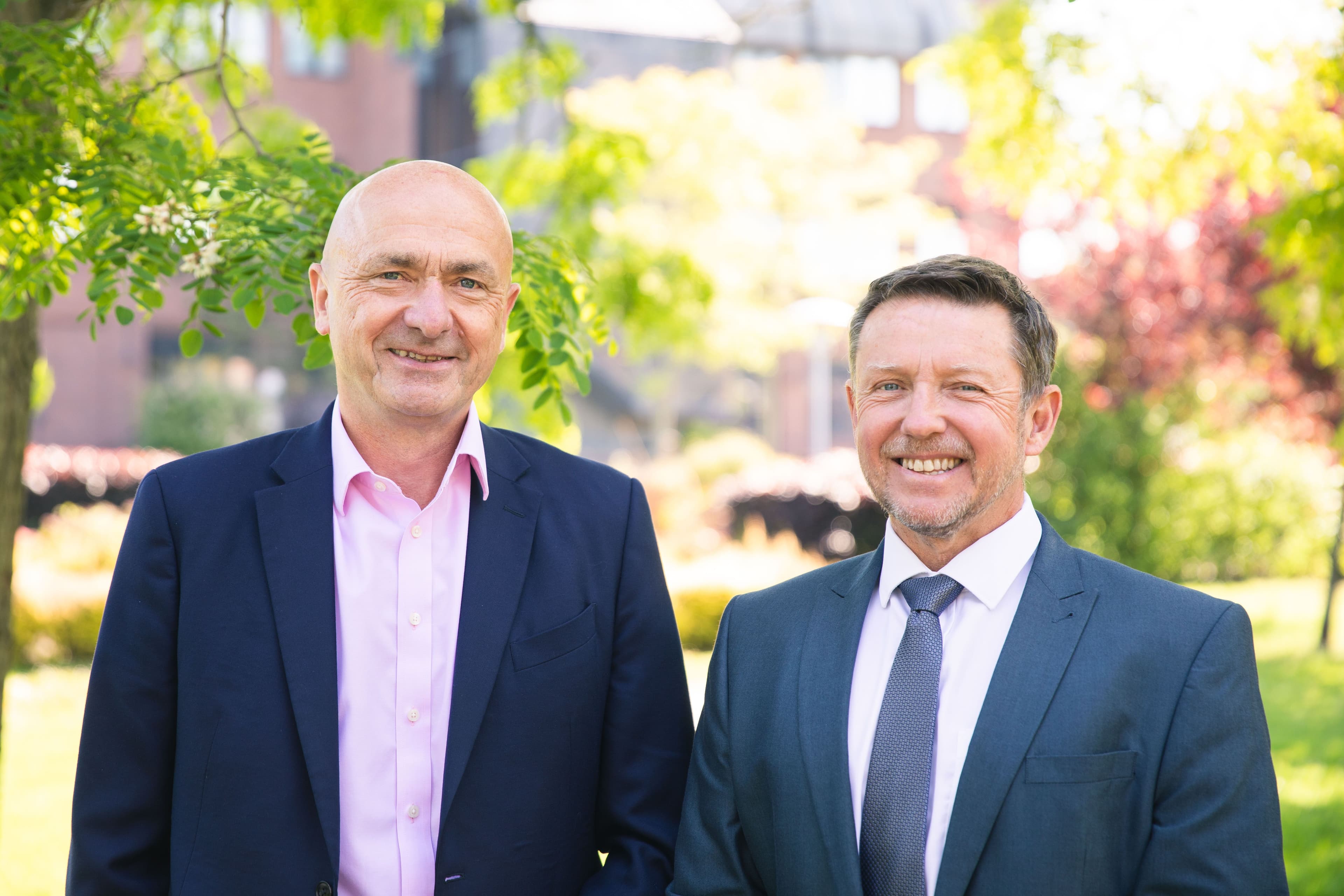
Profile: Jo Lappin MBE – Chief Executive of the Cumbria Local Enterprise Partnership

.png&w=3840&q=75)
Background and Experience
Jo Lappin, MBE is the Chief Executive of the Cumbria Local Enterprise Partnership (LEP) and brings a wealth of experience to the table. With a background in economic development that spans decades, Jo has held roles such as Government’s lead Director for housing, transport, planning and European Programmes in the North West.
This is her third LEP role, and her approach has always been focussed on sustainability alongside economic and social considerations. Net zero is a central theme in her work, with sustainability being a part of every role she’s held. For the Cumbria LEP, net zero is one of its three strategic touchstones, alongside productivity and inclusive growth, with twin net zero priorities - clean energy generation and business decarbonisation.
Jo’s Vision for the North West
The North West Cluster’s vision revolves around business decarbonisation and energy generation opportunities. Cumbria is committed to contributing to this vision. “Cumbria, despite making up around 1% of the population, already generates 5.6% of the UK’s sustainable energy and is actively working with its energy-intensive industries to support their decarbonisation efforts,” states Jo. Initiatives like repurposing the Morecambe Bay gas fields for carbon capture and linking hydrogen to existing energy-intensive industries are key components.
The focus is on creating new technology development opportunities and nurturing a skilled workforce for the energy transition.
Exciting Developments in the Region
The region has several exciting developments in the pipeline. The repurposing of the Morecambe gas fields for carbon capture, for instance, has the potential to offset three years’ worth of the UK’s carbon production. Collaborations with Spirit Energy and Carlton Power are driving efforts to decarbonise industry.
With a history of offshore wind farms and expertise in nuclear, the region is primed for growth. The Cumbria LEP has also introduced grant programmes to support small businesses in their decarbonisation efforts.
Opportunities and Obstacles
Jo tells us, “The North West has significant opportunities in energy generation capabilities, given our heritage, breath of generation capabilities and are exceptional advanced manufacturing and nuclear capabilities” She continues, “However, a declining workforce and skills gap pose some challenges. Collaboration, investment, and developing a greater localised supply chain to deliver these opportunities are crucial.”
Jo goes on to explain that ensuring an inclusive approach and securing investment whilst dealing with uncertainties in policy are pressing matters. The region is actively addressing these challenges, aiming for effective collaborative working and innovative solutions.
What more could the Government be doing to support Net Zero North West in the delivery of its plans?
Jo emphasised the need for clear and long-term government policy that provides financial backing. The call is for a green skills roadmap running up to 2035, collaborative ministerial focus, transparent monitoring of low carbon skills requirements, and flexible funding opportunities for upskilling and reskilling.
“Policy alignment, investment and transparent communication from the government are key in driving the transition to net zero,” states Jo.
Overcoming Barriers
“Overcoming policy uncertainty, securing commitment from serious business leaders, and extending the membership of NZNW are some of the key milestones,” Jo highlights the importance of visible business leadership and real net zero strategies. While some are making bold statements it is mainly business that is stepping up with concrete strategies and commitments.
To find out more about the work of Jo Lappin and the Cumbria LEP, click here.